
As students grow older, their personal experiences become increasingly significant, shaping their perspectives and approaches to learning. When it comes to teaching adults, educators face a unique challenge of catering to a diverse range of backgrounds and experiences within the classroom. The task at hand goes beyond simply imparting knowledge; it involves fostering an inclusive, safe, and supportive environment that actively engages every learner, valuing their individual perspectives and contributions.
The complexity of teaching a language to adult learners lies in accommodating the myriad differences in cultural, economic, and learning backgrounds. Each student comes with their own set of needs, preferences, and learning styles, making it essential for educators to adapt their lessons accordingly. This adaptability is crucial in ensuring that every learner feels valued and empowered within the classroom setting.
One of the unfortunate realities in adult education is the lack of emphasis on inclusion strategies and diverse teaching methodologies. Too often, educators are selected based solely on their subject knowledge, neglecting the essential aspect of creating a supportive and creative learning environment.
This gap in training inspired us to develop the MOOC (Massive Open Online Course) titled “Wellbeing, Inclusion & Creativity Free Online Course for Teachers“, bridging the divide between subject expertise and inclusive teaching practices.
This course aims to equip educators, trainers, and teachers with the necessary tools, ideas, and activities to create inclusive and safe learning spaces.
But what exactly do we mean by “inclusive” and “safe” learning environments? Inclusivity goes beyond mere tolerance; it involves actively embracing and valuing each individual, regardless of their background or personal characteristics. It requires educators to acknowledge and celebrate diversity, incorporating it into the fabric of their teaching practices.
Safety, on the other hand, refers to a learning environment where every individual feels free to express themselves without fear of judgment or criticism. It’s a space where learners can thrive at their own pace and style, without the pressure to conform to predefined norms or expectations.
In addition to wellbeing and inclusion, the MOOC also dedicates a significant portion to the enhancement of creativity within the learning environment. Creativity is a fundamental skill that not only sparks innovation but also fosters active engagement and autonomy among learners.
In the realm of adult education, cultivating creativity is paramount to ensuring that learners remain motivated and invested in their learning journey. By tapping into their creative potential, educators can ignite a passion for learning that transcends traditional boundaries.
The creativity section of the MOOC offers a wealth of techniques and practical activities designed to stimulate learners’ imaginations and problem-solving skills. From exploring ICT tools to implementing team-building practices, educators will discover innovative ways to enrich the learning experience and promote collaboration within the classroom.
Ultimately, the addition of creativity within this MOOC underscores its importance in empowering learners, as the final goal is to encourage themin taking ownership of their learning journey.
In conclusion, by nurturing creativity alongside wellbeing and inclusion, educators can unlock the full potential of every learner, enriching their educational journey and equipping them with the skills and confidence needed to thrive in an ever-changing world.
Two pictures we took while piloting the course:
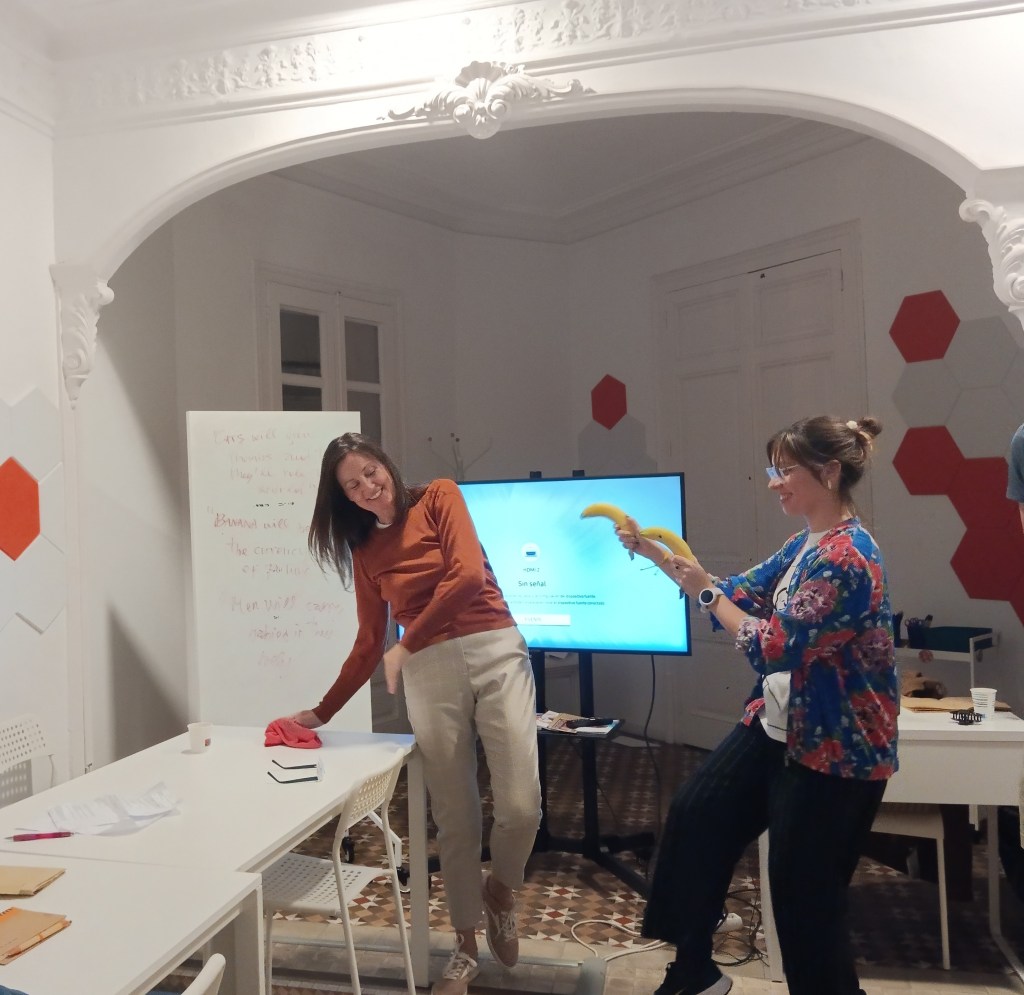
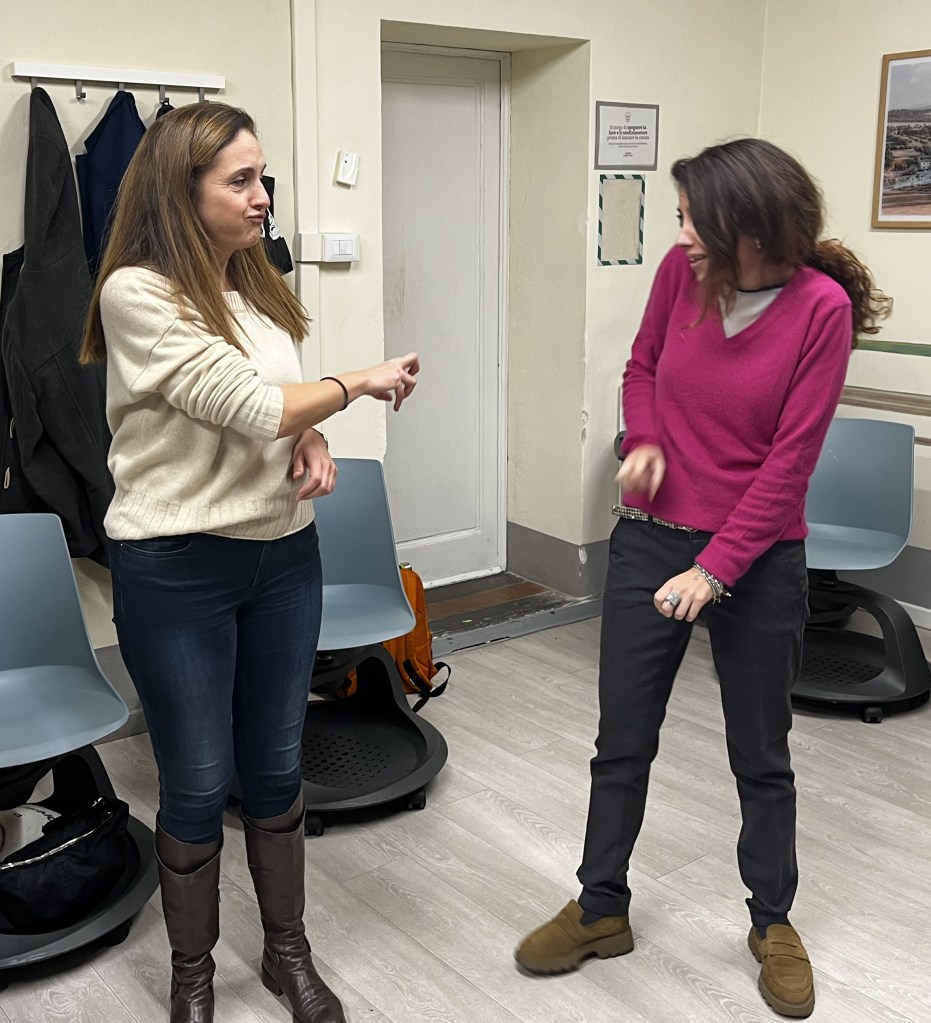
 LOL- Learning out Loud!
Leave a comment